
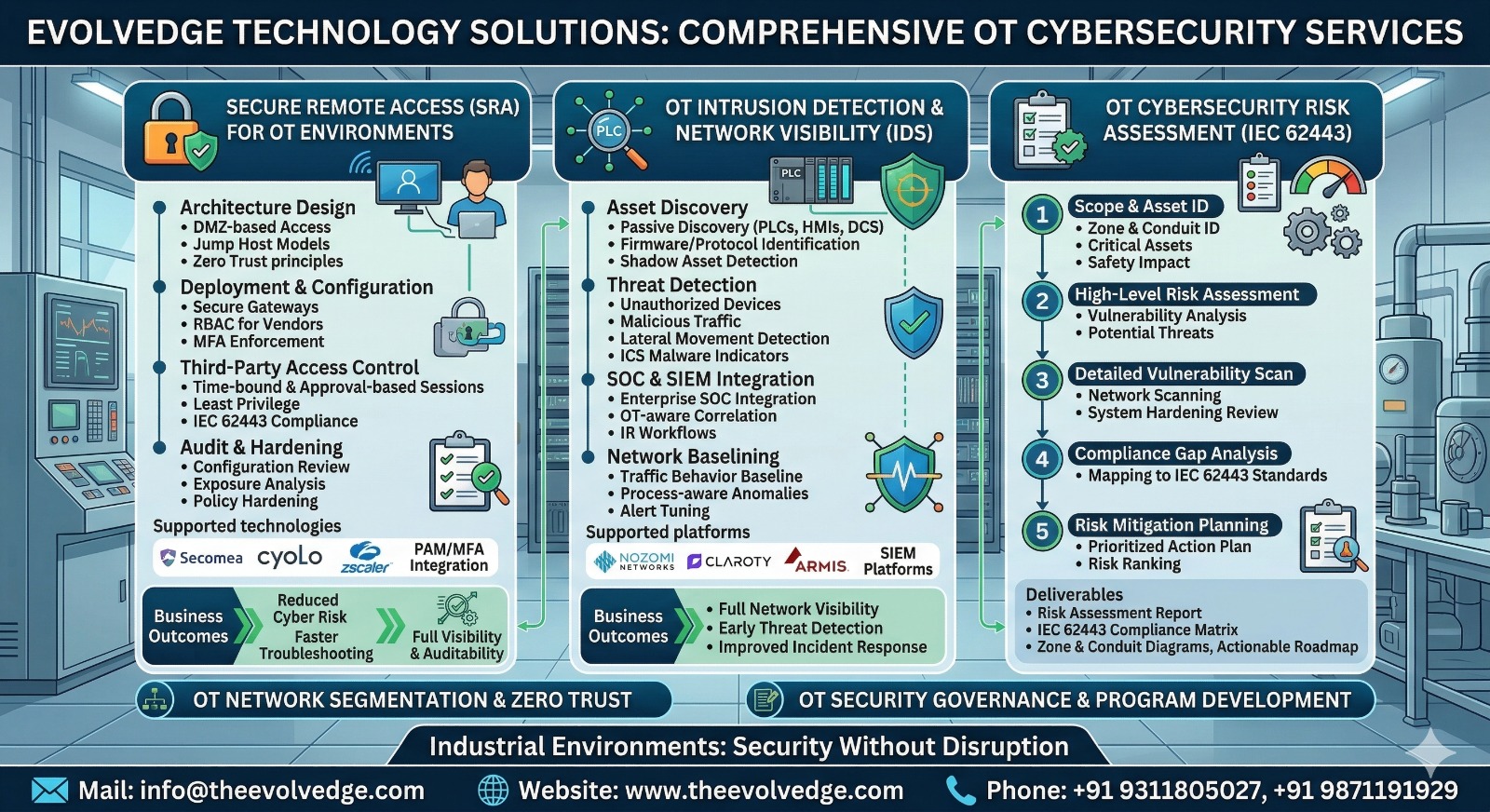
Ransomware, a type of malicious software that encrypts a victim’s data and demands a ransom payment for its release, has become a growing threat to businesses of all sizes and across all industries. However, the manufacturing and process industries are particularly vulnerable to these attacks due to their heavy reliance on technology and the potential for significant disruption and financial loss.
Understanding Ransomware and Its Impacts
Ransomware attacks can have devastating consequences for manufacturing and process industries. When a company’s systems are infected with ransomware, they can lose access to critical data, including:
-
Production schedules: This can lead to delays in manufacturing and delivery, resulting in lost revenue and damage to customer relationships.
-
Inventory records: Without accurate inventory records, companies may struggle to manage their supply chain and fulfill orders.
-
Customer data: The theft or loss of customer data can lead to legal and reputational damage.
-
Financial records: Ransomware can also compromise a company’s financial data, making it difficult to process payments and manage cash flow.
In addition to data loss, ransomware attacks can also cause significant operational disruptions. For example, if a company’s production control systems are infected, they may be forced to shut down their manufacturing lines. This can lead to:
-
Lost production capacity: This can result in significant financial losses.
-
Supply chain disruptions: Delays in production can impact other companies in the supply chain.
-
Safety hazards: In some cases, ransomware attacks can compromise the safety of manufacturing facilities.
Why Manufacturing and Process Industries are Vulnerable
Manufacturing and process industries are particularly vulnerable to ransomware attacks for several reasons:
-
Legacy systems: Many manufacturing companies still use legacy systems that are no longer supported by their vendors. These systems often have security vulnerabilities that can be exploited by attackers.
-
Lack of security awareness: Many employees in manufacturing and process industries are not aware of the risks of ransomware. They may be more likely to click on malicious links or open infected attachments.
-
Limited resources: Many small and medium-sized manufacturing companies have limited resources to invest in cybersecurity. They may not have the budget to implement robust security measures.
-
Interconnected systems: Manufacturing and process industries are increasingly interconnected, with systems that communicate with each other over the internet. This creates more opportunities for attackers to gain access to critical systems.
Case Studies of Ransomware Attacks in Manufacturing
There have been several high-profile ransomware attacks on manufacturing companies in recent years. For example:
-
Norsk Hydro: In 2019, Norsk Hydro, a Norwegian aluminum manufacturer, was hit by a ransomware attack that forced them to shut down several of their manufacturing plants. The attack cost the company an estimated $70 million.
-
Renault-Nissan: In 2017, Renault-Nissan was hit by a ransomware attack that forced them to suspend production at several of their factories. The attack cost the company an estimated $100 million.
-
ASCO Industries: In 2019, ASCO Industries, a Belgian aerospace manufacturer, was hit by a ransomware attack that forced them to shut down their manufacturing plants for several days. The attack cost the company an estimated $10 million.
How to Protect Your Manufacturing Business from Ransomware
There are several steps that manufacturing and process industries can take to protect themselves from ransomware attacks:
-
Implement a robust cybersecurity program: This should include regular security assessments, employee training, and the implementation of security measures such as firewalls, intrusion detection systems, and data encryption.
-
Keep software up to date: All software, including operating systems, applications, and firmware, should be kept up to date with the latest security patches.
-
Educate employees about ransomware: Employees should be trained to identify and avoid phishing emails and other common ransomware delivery methods.
-
Backup data regularly: Data should be backed up regularly to an off-site location. This will allow companies to restore their systems if they are hit by a ransomware attack.
-
Have an incident response plan: Companies should have a plan in place to respond to ransomware attacks. This plan should include steps to contain the attack, restore systems, and communicate with stakeholders.
Conclusion
Ransomware is a major threat to manufacturing and process industries. These attacks can have devastating consequences, including data loss, operational disruption, and financial loss. However, by implementing robust cybersecurity measures and educating employees, manufacturing companies can reduce their risk of becoming a victim of ransomware.